
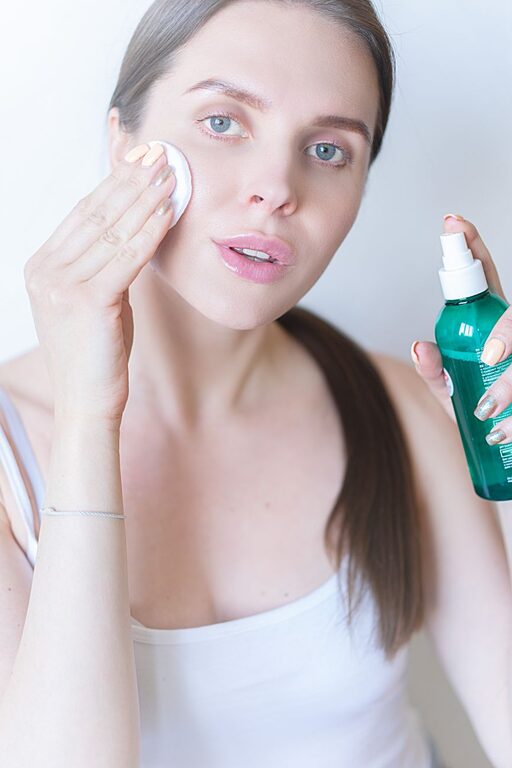
How to Start a Basic Skincare Routine: A Simple Guide for Beginners
Starting a skincare routine can feel overwhelming, especially with the countless products and advice available online. The good news is that a basic skincare routine doesn’t have to be complicated or expensive. With just a few simple steps, you can build a routine that helps maintain healthy skin and addresses your individual needs.
In this guide, we’ll walk you through the essential steps of a basic skincare routine, including why each step is important, how to choose products, and tips for making it a habit.
Why Have a Skincare Routine?
Your skin is the body’s largest organ and serves as a protective barrier against environmental factors like pollution and UV rays. A skincare routine supports your skin’s health by:
– Removing dirt, oil, and impurities
– Hydrating and nourishing the skin
– Protecting against sun damage and premature aging
By establishing consistent care, you can prevent common skin concerns such as dryness, acne, and irritation.
The Basic Steps of a Skincare Routine
A simple skincare routine typically includes three main steps: cleansing, moisturizing, and sun protection. Here’s how to do each:
1. Cleansing: Start with a Clean Canvas
Cleansing removes dirt, oil, sweat, and makeup from the skin’s surface, allowing other products to work effectively.
– Choose the right cleanser: For dry skin, consider gentle cream-based cleansers. For oily or acne-prone skin, gel or foaming cleansers might work better.
– How to cleanse: Use lukewarm water and a small amount of cleanser. Massage gently in circular motions for about 30 seconds, then rinse thoroughly. Avoid hot water as it can dry out your skin.
– Frequency: Cleanse twice a day – once in the morning and once before bed.
2. Moisturizing: Hydrate and Nourish
Moisturizers help lock in moisture and support the skin’s natural barrier.
– Choosing a moisturizer: Pick one that suits your skin type. Lightweight, oil-free lotions are ideal for oily skin, while richer creams work well for dry skin.
– When to apply: Apply moisturizer after cleansing when your skin is still slightly damp to maximize hydration.
– Additional benefits: Many moisturizers contain beneficial ingredients like antioxidants or soothing agents.
3. Sun Protection: Prevent Damage and Aging
Sun exposure is a leading cause of premature skin aging and can increase the risk of skin issues.
– Use sunscreen daily: Apply a broad-spectrum sunscreen with at least SPF 30 every morning, even on cloudy days or when indoors near windows.
– Amount and reapplication: Use about a teaspoon for your face and neck, and reapply every two hours if you’re outside.
– Choose your sunscreen: Look for formulas that suit your skin type, such as gel-based for oily skin or moisturizing for dry skin.
Optional Steps to Enhance Your Routine
Once you have the basics down, you can consider adding a few additional steps to target specific concerns.
Exfoliation
– What it does: Removes dead skin cells, leaving the skin smoother and brighter.
– How often: Use a gentle exfoliant 1–2 times a week. Avoid physical scrubs with harsh particles; instead, opt for chemical exfoliants like AHAs or BHAs if your skin tolerates them.
– Tip: Don’t over-exfoliate as this can irritate the skin.
Serums and Treatments
– Purpose: These are concentrated products designed to address issues like acne, dark spots, or dryness.
– How to use: Apply after cleansing and before moisturizing. Introduce one product at a time to monitor how your skin responds.
Eye Cream
– Why use it: Eye creams can help with puffiness, dark circles, and hydration in the delicate under-eye area.
– Application: Use a small amount and gently pat into the skin.
Tips for Building and Maintaining Your Routine
– Start simple: Focus on cleansing, moisturizing, and sun protection before adding more products.
– Be consistent: Results require regular care. Try to stick to your routine daily.
– Patch test new products: Before applying new products all over your face, test a small amount on your skin to check for reactions.
– Listen to your skin: If a product causes irritation or discomfort, discontinue use.
– Adjust seasonally: Your skin’s needs may change with weather — consider switching moisturizers or using richer products in winter.
Final Thoughts
A basic skincare routine is a great starting point for healthy skin. By focusing on cleansing, moisturizing, and protecting your skin from the sun, you’ll create a solid foundation for your skin’s health. As you become more comfortable, you can customize the routine with additional products that suit your unique skin concerns.
Remember, skincare is a personal journey, and what works for one person might not work for another. Be patient, consistent, and enjoy taking care of your skin!
—
Feel free to share your experiences or questions about skincare routines in the comments below!
