
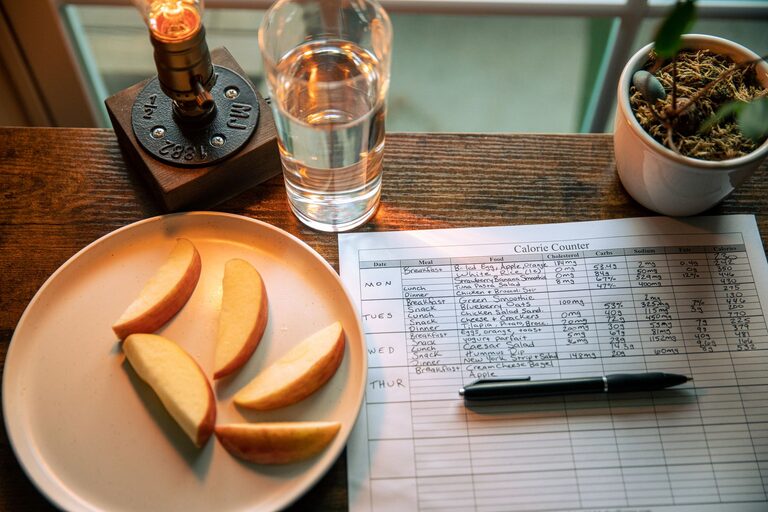
How to Plan Balanced Meals Without Stress: A Simple Guide
Eating balanced meals is essential for maintaining good health, boosting energy, and supporting overall well-being. However, many people find meal planning overwhelming or time-consuming. The good news is that planning nutritious and balanced meals doesn’t have to be stressful. With a few simple strategies, you can create a meal plan that fits your lifestyle, tastes great, and keeps you satisfied throughout the day. This guide will walk you through practical steps to plan balanced meals with ease.
What Does a Balanced Meal Mean?
Before diving into planning, it helps to understand what a balanced meal includes. Generally, a balanced meal contains a good mix of:
– Proteins: Such as lean meats, fish, beans, tofu, eggs, or dairy. Proteins help build and repair tissues.
– Carbohydrates: Ideally whole grains, fruits, and vegetables that provide energy.
– Healthy Fats: Like nuts, seeds, avocados, and olive oil, which support brain health and hormone production.
– Fiber: Found in fruits, vegetables, and whole grains, fiber aids digestion.
– Vitamins and Minerals: Essential nutrients that keep your body functioning properly.
Balancing these components in each meal improves digestion, stabilizes blood sugar, and keeps hunger at bay.
Step 1: Start with Simple Goals
If you’re new to meal planning, start small. Instead of planning every meal for the entire week, begin with just a few days. Focus on:
– Including at least one vegetable or fruit at every meal.
– Choosing whole grains instead of refined grains.
– Adding a source of protein to each meal.
These small changes set a strong foundation and make the process less intimidating.
Step 2: Choose Your Favorite Foods
Planning is easier when you include foods you enjoy. Think about your favorite proteins, vegetables, and grains. Write down:
– Proteins: grilled chicken, chickpeas, salmon, eggs
– Vegetables: broccoli, spinach, carrots, peppers
– Grains: brown rice, quinoa, whole wheat bread
This list makes it simple to mix and match ingredients without getting bored.
Step 3: Plan Meals Around Your Schedule
Your meal plan should fit your lifestyle. Consider:
– How much time you have to cook
– Whether you prefer quick meals or enjoy cooking
– If you need meals that can be prepared ahead of time
– How many meals you eat at home vs. on the go
For busy days, plan meals that are easy to prepare or can be made in advance. On more relaxed days, you might try new recipes or batch cooking.
Step 4: Use a Simple Meal Planning Template
A basic meal planning template can keep you organized. Divide your plan into:
– Breakfast
– Lunch
– Dinner
– Snacks
For example:
| Day | Breakfast | Lunch | Dinner | Snack |
|———–|——————–|———————–|——————-|—————-|
| Monday | Oatmeal with fruit | Turkey wrap with salad| Grilled salmon with quinoa and broccoli | Greek yogurt |
Using a template helps you visualize meals and ensures you include all food groups.
Step 5: Incorporate Variety and Color
Eating a variety of foods ensures you get different nutrients. Try to:
– Include colorful fruits and vegetables (red, green, orange, purple)
– Rotate protein sources (fish, beans, poultry, nuts)
– Experiment with herbs and spices for flavor without extra salt or fat
Variety also keeps meals interesting and enjoyable.
Step 6: Batch Cook and Prep Ingredients
Batch cooking saves time and reduces stress on busy days. Ideas include:
– Cooking a large pot of brown rice or quinoa to use throughout the week
– Roasting a tray of mixed vegetables
– Preparing grilled chicken breasts or baked tofu in bulk
– Washing and chopping salad greens or veggies in advance
Store prepared ingredients in airtight containers for easy access.
Step 7: Keep Healthy Snacks on Hand
Balanced meals don’t have to be only main dishes. Healthy snacks can help maintain energy and prevent overeating. Stock up on:
– Fresh fruit
– Nuts and seeds
– Cut veggies with hummus
– Whole grain crackers with cheese
– Yogurt
Having nutritious snacks ready helps you stick to your meal plan.
Step 8: Don’t Strive for Perfection
Remember, it’s okay if every meal isn’t perfectly balanced. The goal is to create a sustainable habit that fits your life. If you eat a less balanced meal now and then, don’t stress — just aim to make the next one nutritious.
Helpful Tools and Resources
Several tools can support your meal planning efforts:
– Meal planning apps: Many apps allow you to create shopping lists and store recipes.
– Cookbooks or blogs: Find easy, balanced recipes that appeal to your taste.
– Nutrition guides: Reference simple portion guides or MyPlate recommendations for guidance.
Experiment with different resources to find what works best for you.
Final Tips for Stress-Free Meal Planning
– Set aside 15–30 minutes weekly to plan meals and shop.
– Use a grocery list to avoid impulse buys and save time.
– Get family or friends involved to share ideas and cooking duties.
– Stay flexible and adjust your plan as needed based on your schedule and preferences.
—
By taking these steps, planning balanced meals can become an enjoyable and manageable part of your routine. With a little preparation, you’ll feel confident knowing your meals support your health without unnecessary stress. Happy eating!
